
How helpful is it to teach my Deaf child sign language if she will get a cochlear implant?
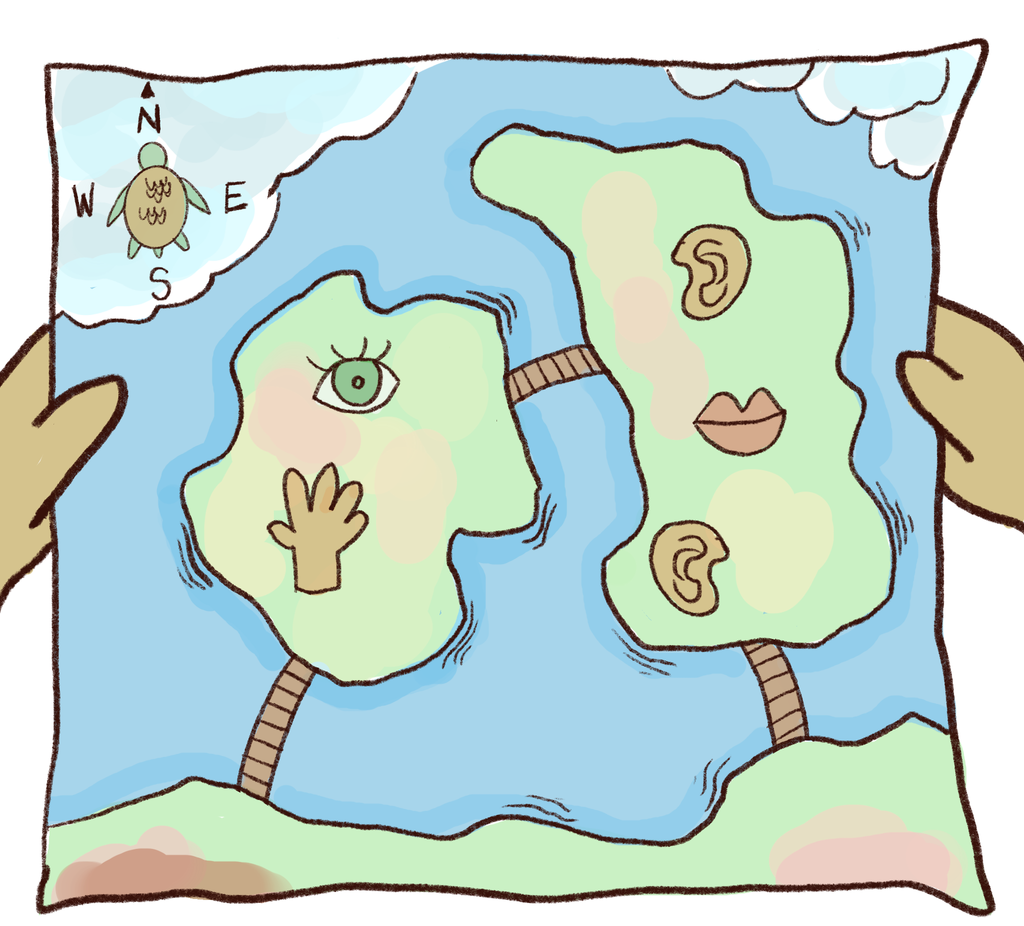
Cochlear implants can help a child perceive spoken language (see our last comic). However, the age at which a child gets a cochlear implant can vary from child to child, and from country to country. After birth, months may pass before a baby can get an implant. Prior to the cochlear implant, a Deaf baby will be unable to communicate with or learn spoken language. But interaction with sign language can help her start to understand, communicate, and learn the basics of human languages!
In the first year of life, babies learning both sign and spoken languages begin to develop basic communication skills.Through early exposure to sign language, a Deaf child can participate in the basics of communication, like babbling, and learning how human languages work. They can then build on this knowledge when they start learning spoken language after getting their cochlear implant and also continue learning sign language.
As a cherry on the cake, if the child continues learning both sign and spoken language, they will be a multi-modal bilingual! Sign language is also a great way for Deaf children to set foot in the signing community of their country, where they can exchange with others sharing similar life experiences, and build life-long support systems.
So don’t be shy. Even if caregivers are beginners at sign language, babies can still learn a lot from them. After all, babies are beginners, too. Plus, learning sign language together can be a valuable shared experience for the family!
This comic was created in collaboration with Dr. Irene Arrieta Sagredo.
The scientific sources of our comic:
Humphries, T., Kushalnagar, P., Mathur, G., Napoli, D. J., Rathmann, C., & Smith, S. (2019). Support for parents of deaf children: Common questions and informed, evidence-based answers. International journal of pediatric otorhinolaryngology, 118, 134-142